
Emulsion explosives
A class of explosives used in industry includes liquid solutions of oxidizers, fuel, and water, which are combined with a sensitizer and an emulsifier. An emulsion is a stable mixture of several immiscible liquids, which retains its structure due to the addition of a small amount of special components – emulsifiers. In the context of APCS, the control of the process of creating such emulsion explosives in mining requires high dosing accuracy, thorough mixing, and parameter control, which ensures the stability of the composition and the effectiveness of use in production processes. The most common type is ammonium nitrate emulsion explosive, which combines safety in handling with high efficiency in blasting operations.
High explosives
High explosives are characterized by lower sensitivity to external influences, and their explosive transformation is initiated mainly by means of special initiating compositions. As a rule, various nitro compounds are used as such substances. The automation system includes modules for dosing components, mixing, parameter control and packaging of finished products. The use of programmable logic controllers (PLC) ensures precise proportions, minimizing the influence of the human factor and meeting industrial safety requirements such as the ATEX standard and proper classification of the ATEX zone.
Nitrating acid mixtures
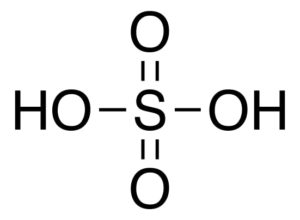
Nitrating acid mixtures have found their application in the production of explosives, dyes and medicines. They usually consist of nitric and sulfuric acids, where sulfuric acid acts as a dehydrating agent, ensuring the stability of the process. The technology of their preparation requires strict control of parameters, such as temperature and concentration, to prevent side reactions. The control systems implemented by ASA-Projekt engineers make the process safe and highly efficient.
Acetic anhydride, acetic acid
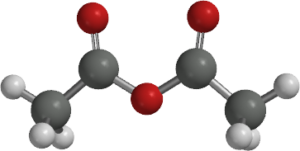
Acetic anhydride and acetic acid are widely used in the chemical industry for the synthesis of various compounds. Acetic anhydride is an important reagent in acetylation, which is necessary for the production of drugs, plastics and dyes. Acetic acid is a universal solvent and catalyst, used in the food, pharmaceutical and textile industries. The combined use of these substances requires precise dosing and control of reaction conditions, which makes process automation a key factor in their safe use.
Nitrogen Oxides
Nitrogen oxides are a group of compounds of nitrogen and oxygen that play an important role in industry and ecology. The main nitrogen oxides, nitrogen monoxide (NO) and nitrogen dioxide (NO₂), are used in the production of nitric acid, fertilizers, and explosives. They are also air pollutants that contribute to the formation of smog and acid rain. Catalytic neutralization and monitoring systems are used to control emissions in industry, reducing the harmful impact on the environment.
Order industrial automation of chemical plants from ASA-Projekt and get support from experienced engineers with dozens of successful projects under their belt.