
Home Automation in construction industry
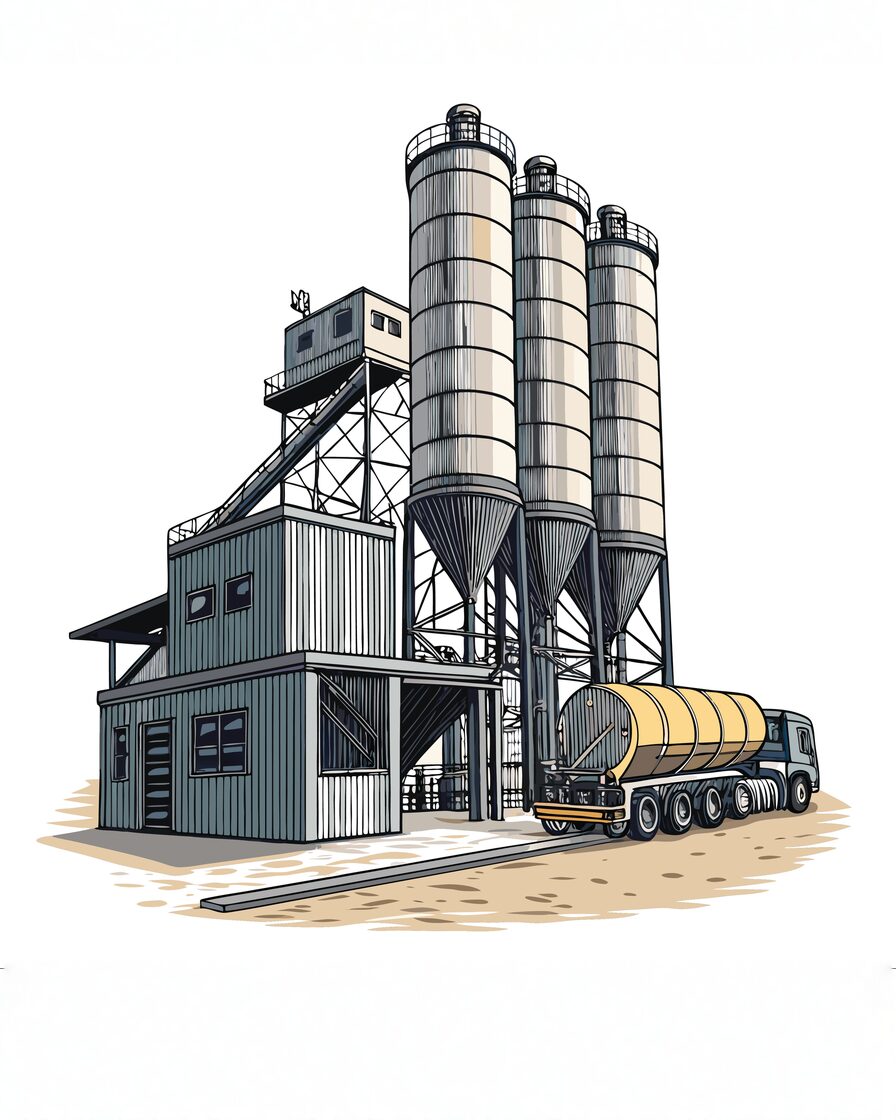

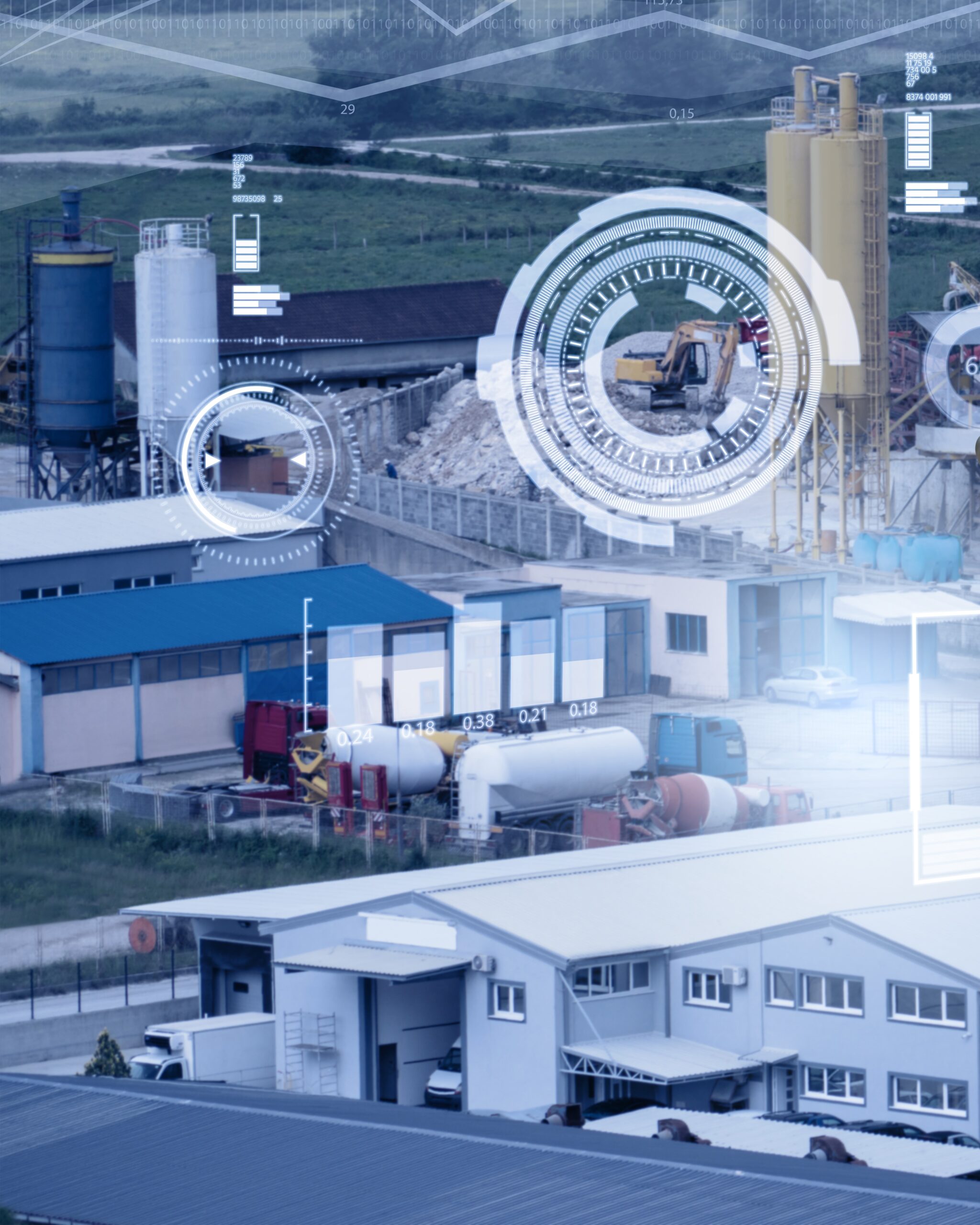
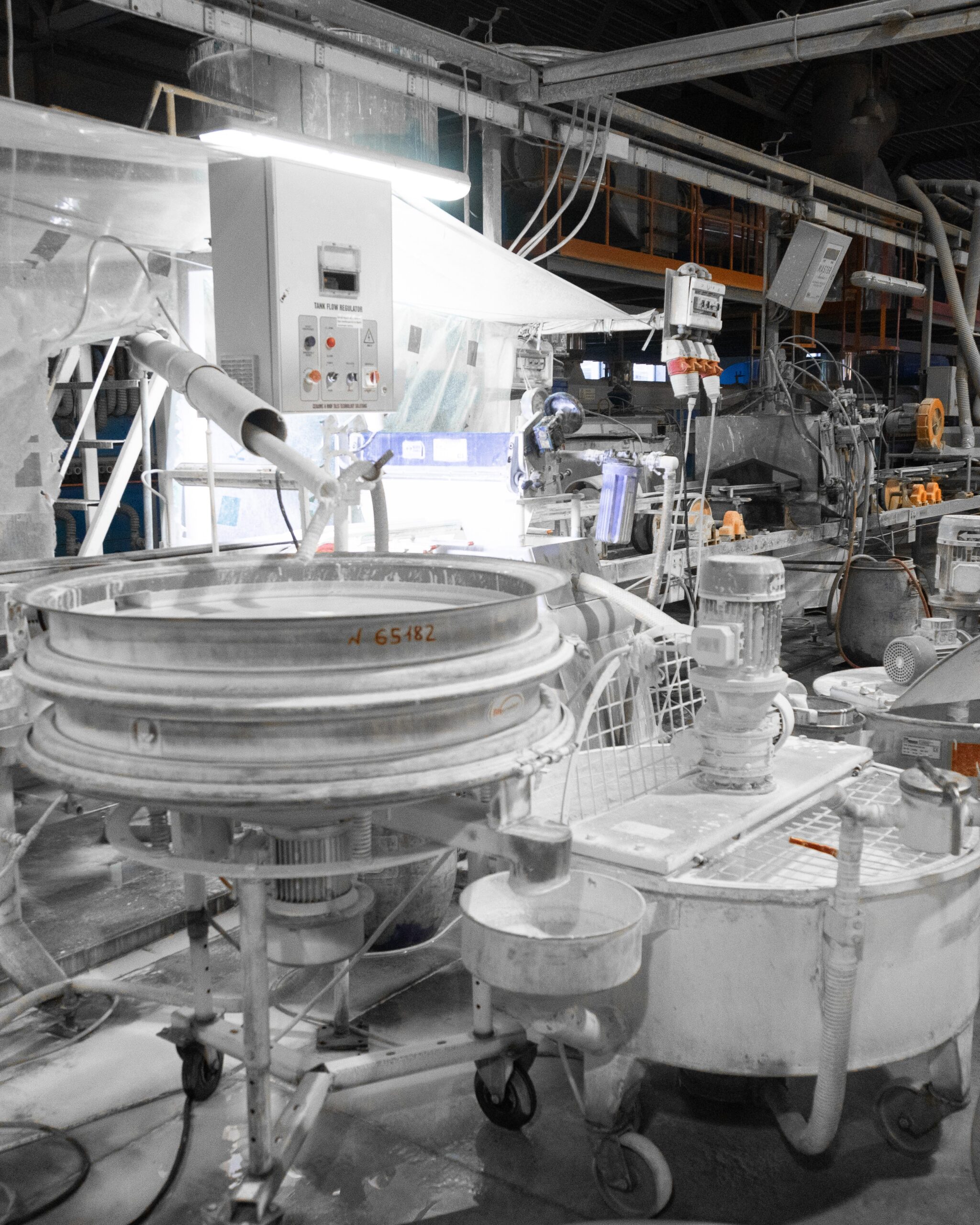
Industrial automation enhances efficiency and productivity in construction by ensuring precise control over mixing, curing, and packaging processes, reducing waste, and maintaining consistency. Embracing automation in construction industry supports the growing demand for concrete and cement while optimizing resources and minimizing environmental impact. For modern companies, investing in automation in construction is not just a trend but a necessity to remain competitive and sustainable.
This material serves as a hydraulic binder in the production of concrete, hydraulic mortar, plaster, and similar materials. It is rarely utilized in isolation; instead, it functions primarily to bond aggregates such as sand and gravel. When combined with fine aggregates, water, and specific chemical additives in exact ratios, cement forms concrete, which is essential for various construction projects, including residential buildings, roadways, and dams. Typically, it is a fine powder derived from a mixture of limestone, clay, sand, iron ore, and bauxite.
In the realm of construction, cement can be divided into two main types: hydraulic and non-hydraulic. Hydraulic material undergoes hydration reactions for setting and hardening, necessitating the presence of water, whereas non-hydraulic cement reacts with gases and can set in air. Hydraulic cement is the predominant type used in concrete manufacturing, making it a critical component in the construction industry.
The cement sector is characterized by its high consumption of CO₂, energy, and raw materials, representing nearly 15% of the total energy used in manufacturing processes. To address these environmental concerns, automated process control systems and energy efficiency initiatives have been implemented within the industry, aiming to reduce its overall impact and promote sustainable practices.
The concrete industry plays a pivotal role in the construction and infrastructure sectors, providing essential materials for a wide range of applications. This sector encompasses the production, distribution, and utilization of concrete, which is a composite material made from cement, water, aggregates, and various additives. It is characterized by its diverse range of products, including ready-mix matirial, precast concrete elements, and specialty mixtures designed for specific engineering requirements.
As urbanization continues to rise globally, the demand for durable and sustainable material solutions has become increasingly important, driving innovation and advancements in production techniques. Modern concrete batching plant automation allows producers to achieve precise mixing, consistency, and reliability at scale. Combined with real-time monitoring, such technologies help maintain quality standards while reducing waste.
The implementation of batching plant automation and integrated control systems ensures that both cement and concrete plants operate at maximum efficiency. For construction companies, adopting such automation is a strategic step toward improving productivity, lowering costs, and meeting environmental regulations while staying competitive in a rapidly evolving market.