
Automation of the processes of synthesis and modification of rubbers plays an important role in achieving high efficiency and quality of products. Modern rubber processing automation ensures the stability of technological cycles, minimizes errors caused by the human factor, and improves overall production reliability. Rubber production lines typically include raw material dosing, polymerization, modification and packaging, all of which can be effectively managed through integrated digital solutions.
At the heart of advanced systems lie programmable logic controllers that provide precise control of dosing processes for monomers, catalysts and modifying additives. Such accuracy guarantees the stability of polymerization reactions. Integration with SCADA systems enables real-time monitoring of critical parameters such as temperature, pressure and viscosity, ensuring a prompt response to deviations. The use of an advanced process control system further enhances optimization by analyzing process dynamics and adjusting operations automatically to maintain efficiency.
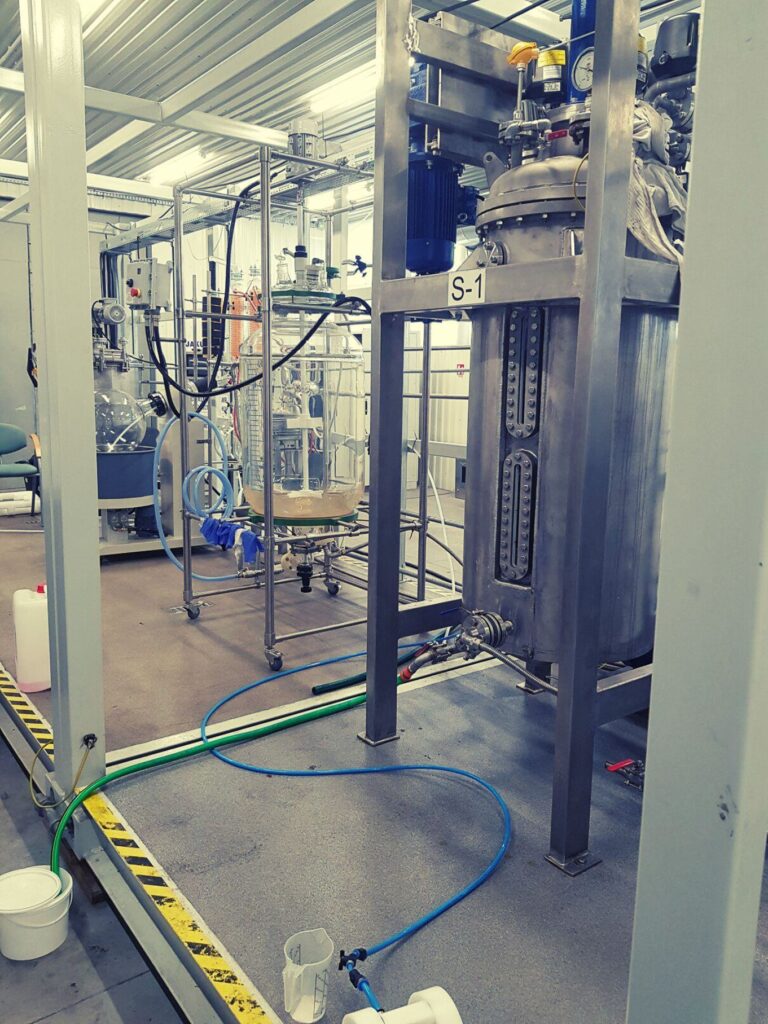
Automation standards and protocols for rubber based products
Compliance with international standards such as IEC 62264 allows enterprises to align their production management with global best practices. This standard ensures seamless integration between business planning and manufacturing execution, which is especially important in large-scale chemical plants where synchronization of different production levels is required.
A significant role in automation in chemical industry is played by communication technologies. Foundation Fieldbus provides reliable digital communication between field devices and higher-level control systems, ensuring accurate data transmission, better diagnostics and reduced maintenance costs. This technology supports advanced strategies, enabling operators to manage rubber synthesis and modification processes with higher transparency and control.
Automation also extends to heat exchange control systems, which prevent overheating of reaction masses, as well as to the precise management of modification stages where rubbers acquire enhanced properties such as elasticity or resistance to aggressive chemicals. By combining traditional control with advanced process control, enterprises can reduce risks, optimize energy usage and improve safety. As a result, the implementation of comprehensive rubber processing automation solutions allows manufacturers to obtain products with high performance characteristics, while simultaneously optimizing costs, meeting international standards, and strengthening competitiveness in the global market.