Strona główna DCS Programming for Chemical Plants
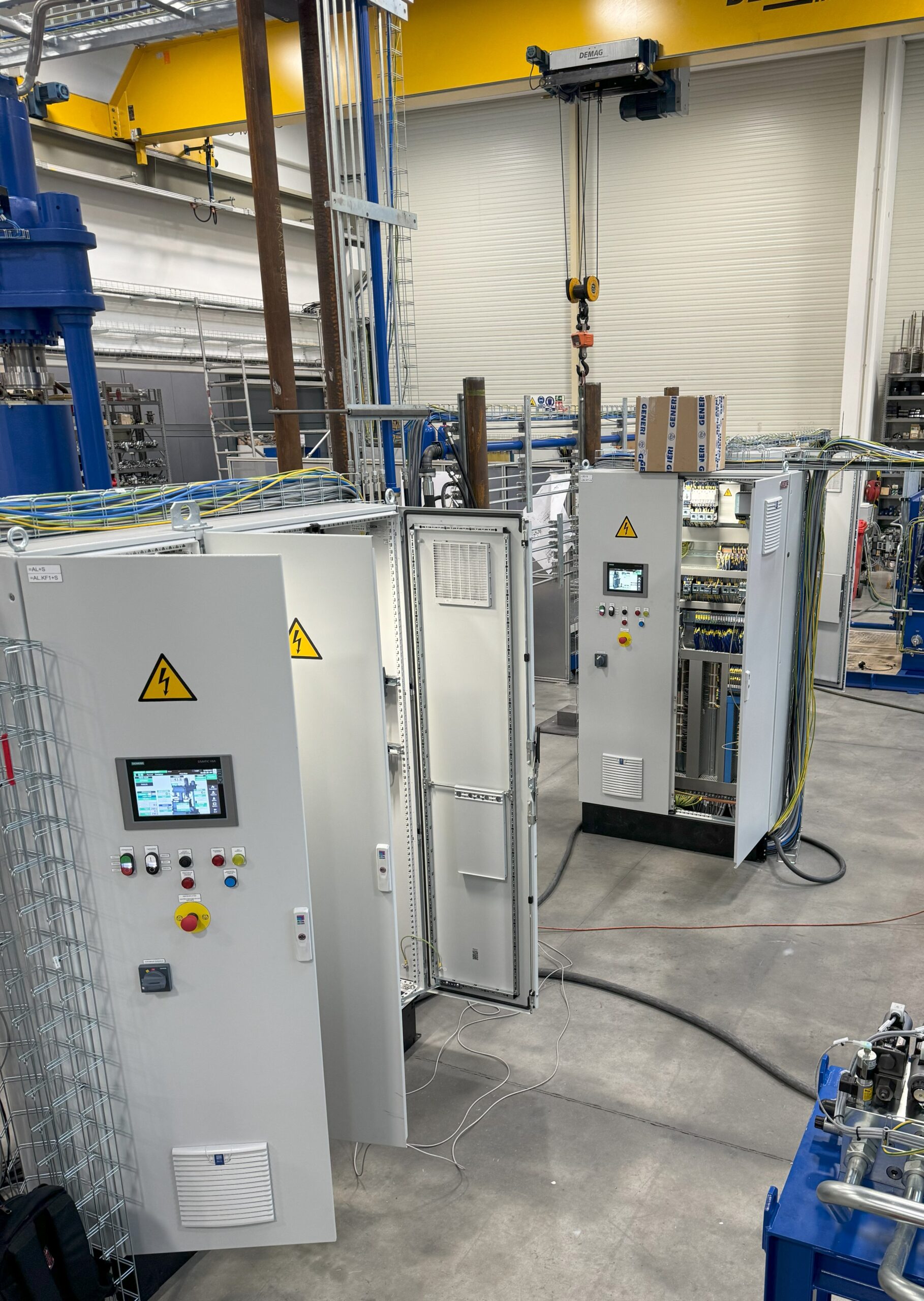
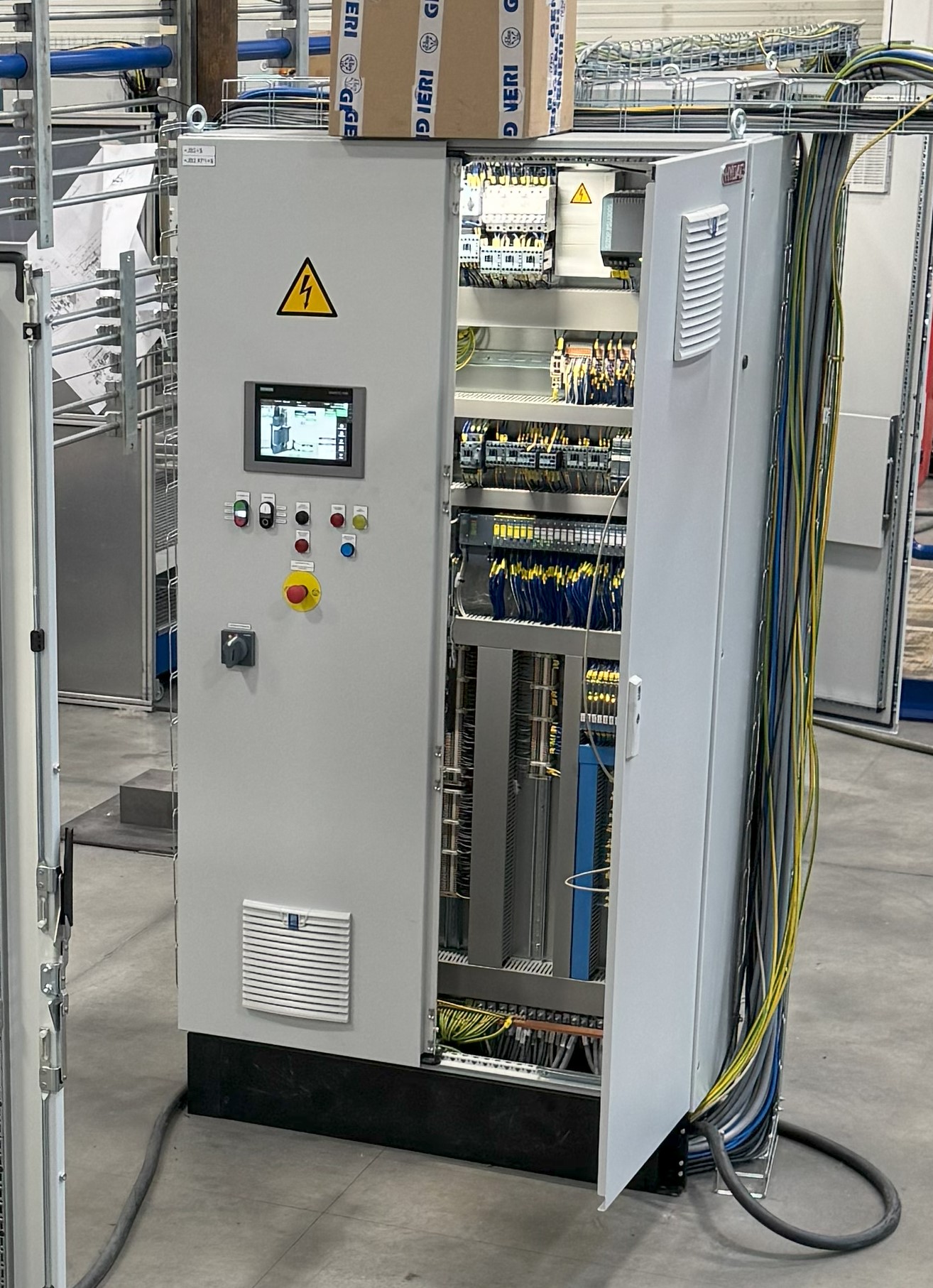
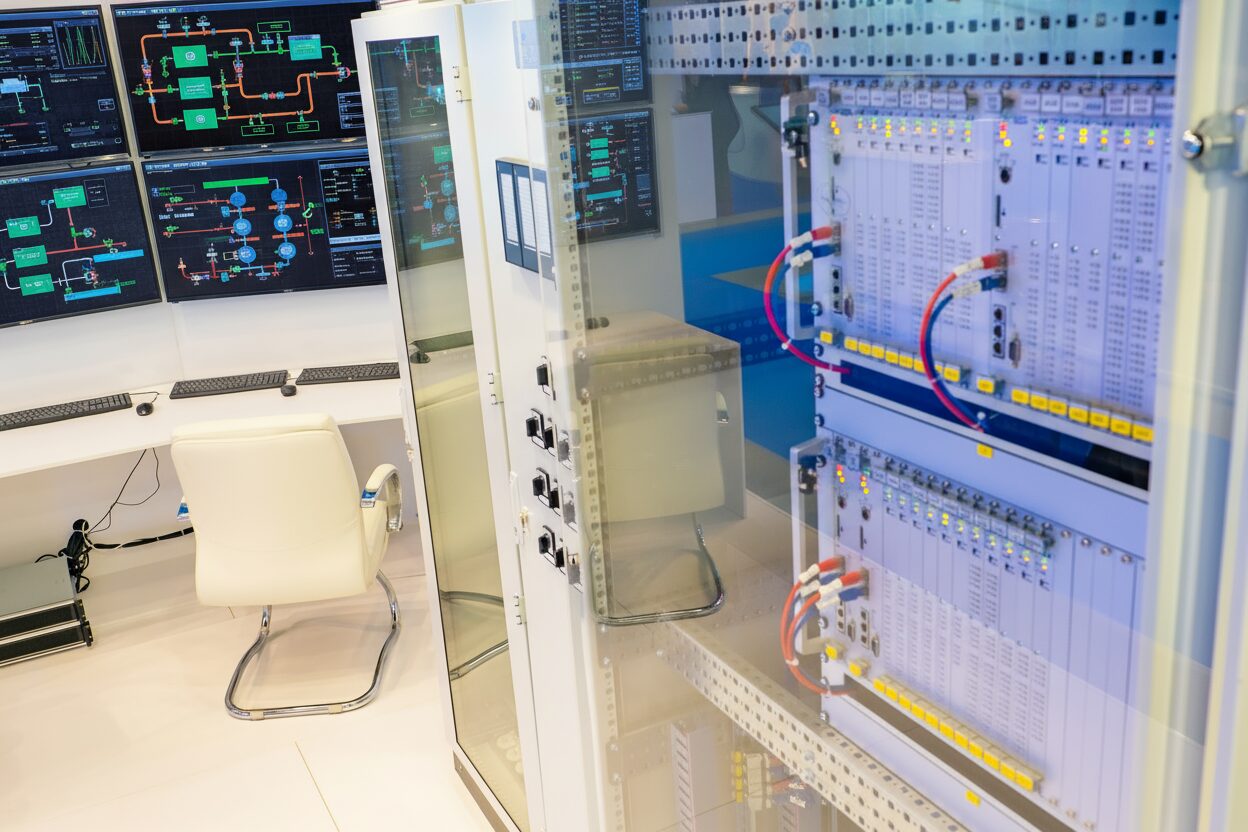
In chemical production, even the smallest process deviation can lead to costly downtime, safety incidents, or off-spec products. A DCS system provides the stability and real-time responsiveness required to maintain full control of every stage — from raw material input to final output. Professional DCS programming combined with the expertise of a qualified DCS integrator ensures processes remain safe, efficient, and predictable.
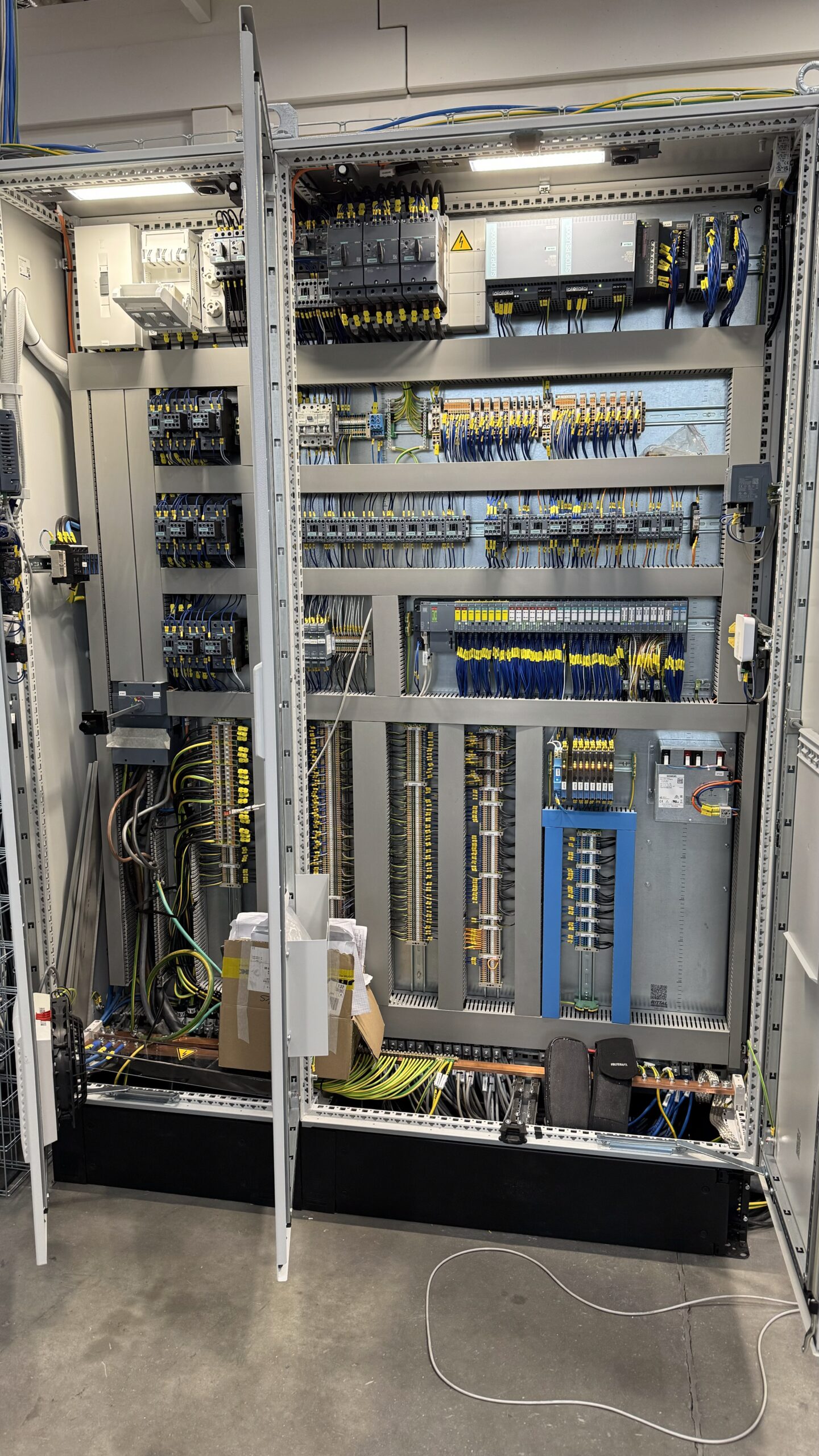
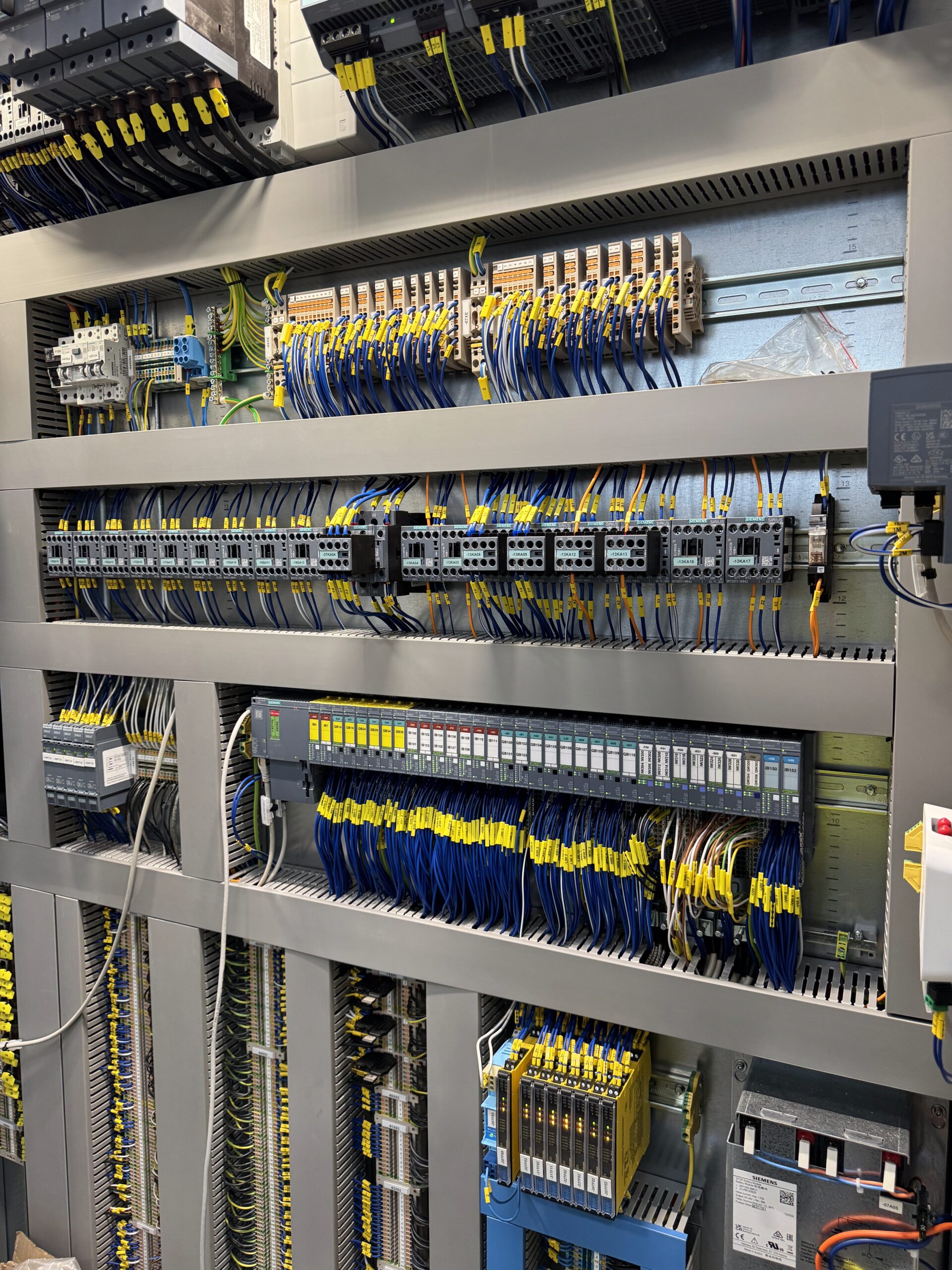
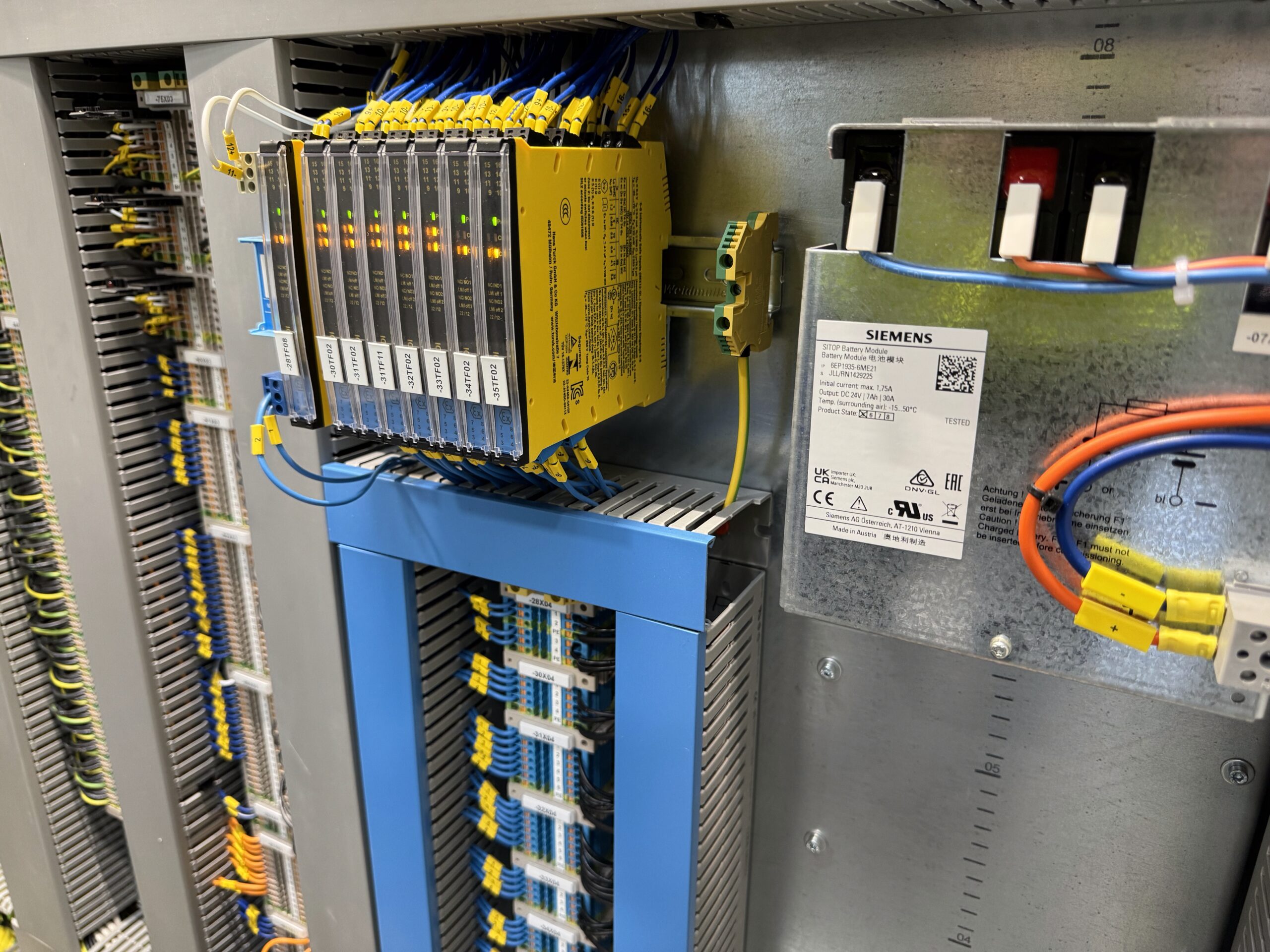
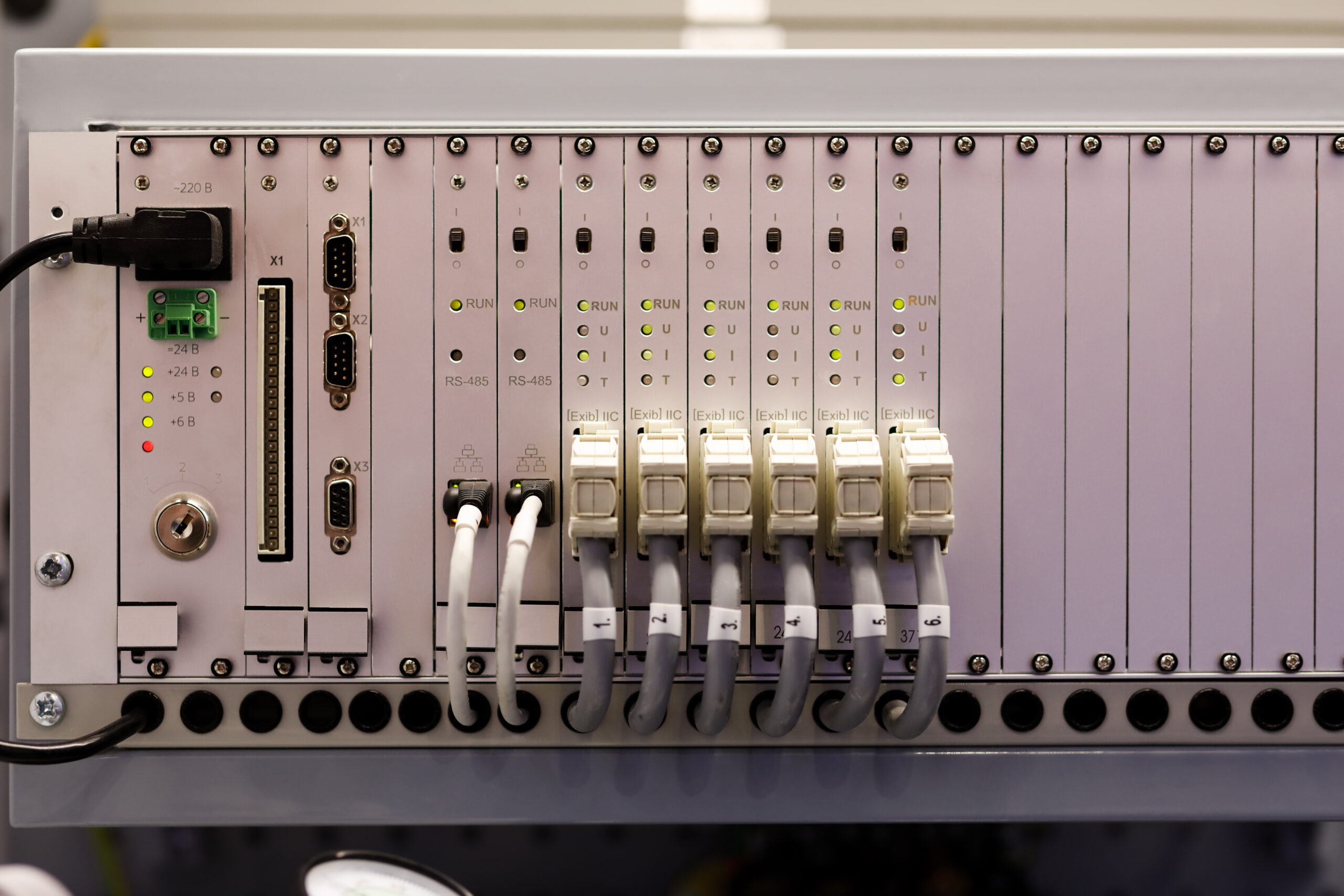
Unlike centralized control systems, DCS system distributes automation logic across multiple intelligent controllers (nodes), each responsible for a specific area of the plant. These nodes communicate across a high-speed industrial network to ensure synchronized, fail-safe operation of all processes. When combined with PCS 7 or other advanced DCS automation platforms, plants can achieve both flexibility and uncompromising reliability. ASA-Projekt has strong expertise in the chemical industry and in-depth knowledge of Siemens SIMATIC PCS 7, making us a reliable DCS integrator for complex process plants.
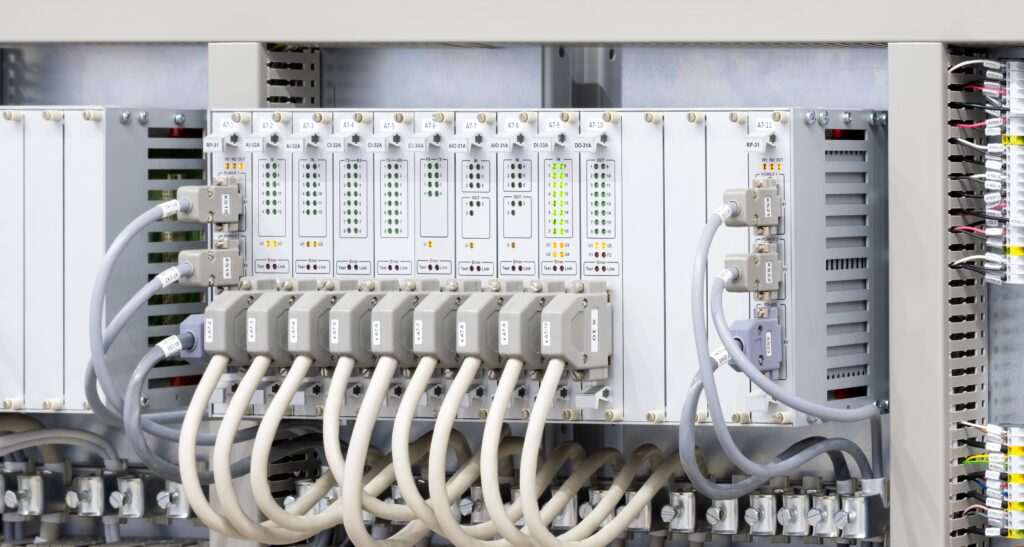
Modern DCS systems are designed to meet the unique demands of chemical manufacturing — high-volume continuous processing, strict safety requirements, complex reactions, and fast-changing parameters. Whether you’re scaling up, modernizing legacy systems, or building a new facility, DCS is the control foundation your operations need.
Focus on Scalability! Precision, reliability, and scalability for mission-critical processes!
Request a customized solution for your chemical plant — our engineers will contact you within 24 hours. Or chat with us directly!